
Marketing management in 2025: trends and innovations for growth
Marketing management has always been driven by new technologies, shifts in consumer behavior and advances in personalization. In 2025, strategies such as automation, artificial intelligence…
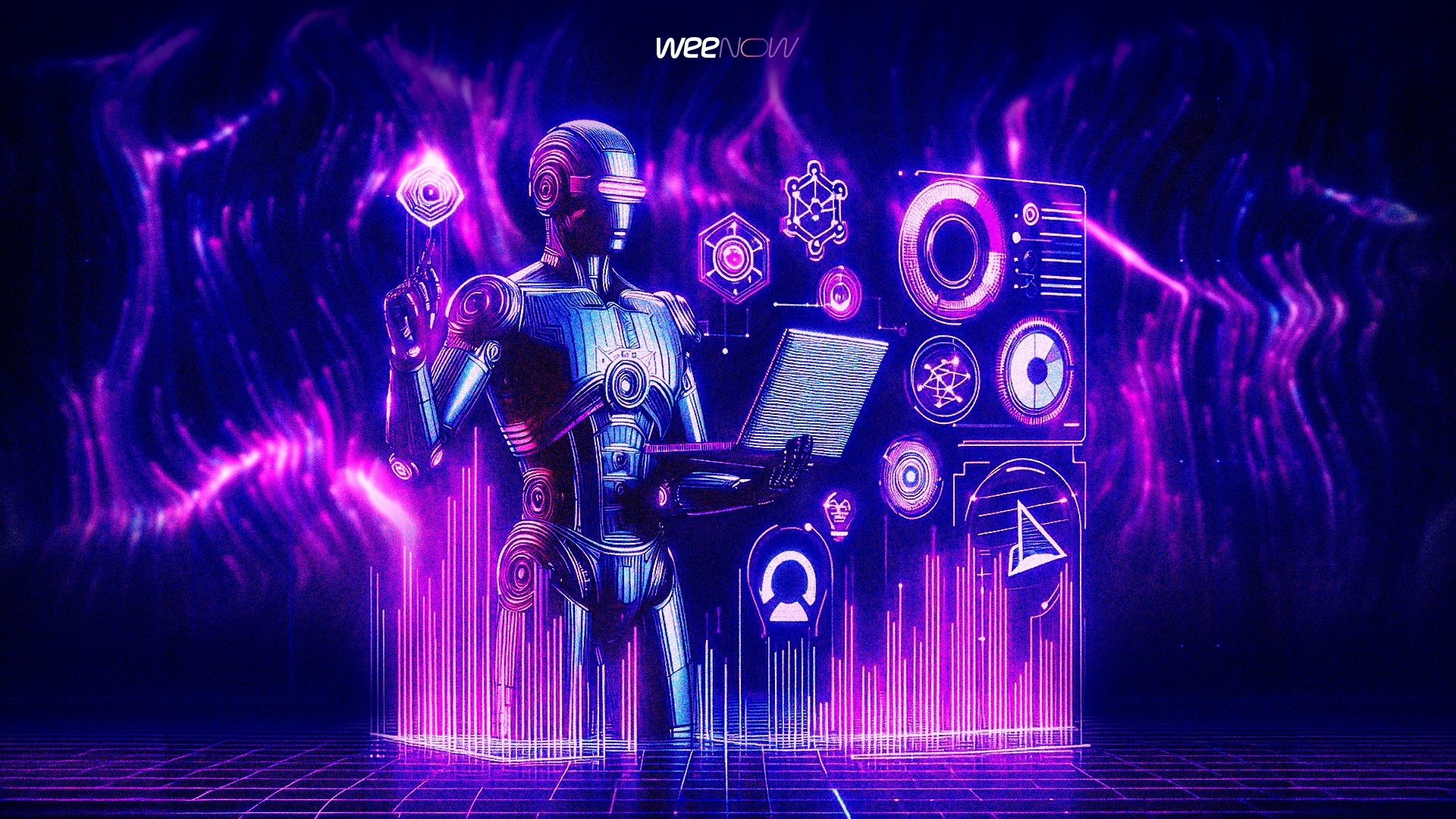
Marketing management has always been driven by new technologies, changes in consumer behavior, and advances in personalization. In 2025, strategies such as automation, artificial intelligence (AI), and advanced personalization will be even more essential for optimizing campaigns and improving the customer experience.
Marketing automation, combined with the intelligent use of data, makes it possible to create more effective, highly segmented campaigns that reach the right audience and profile. Building the brand through communities and producing strategic content will gain even more relevance.
In this article, we explore the main marketing-management trends for the coming years. We also show how Salesforce Marketing Cloud can enhance these strategies, ensuring more effective campaigns and a superior customer experience.
The main marketing strategies for 2025
Marketing in 2024 was already a major early adopter of artificial intelligence, personalisation and more dynamic content formats. In 2025, these strategies will intensify. Companies that adopt marketing automation, strategic videos and brand communities will be more successful at customer retention and conversion.
The integration between digital marketing management and marketing CRM will enable more segmented and effective campaigns. The focus will be on user experience, using data to improve every interaction. Strategies such as advanced personalization, impactful case studies, and content that builds authority will be competitive differentiators.
AI marketing automation
One of AI's main applications in strategic marketing planning is automating personalised communications. With machine learning, brands can identify behavioural patterns and predict which messages, offers, or content are most likely to generate engagement.
According to a McKinsey study, AI can increase marketing productivity by 5% to 15%, directly impacting company revenue. AI-powered automation also stands out in advanced audience segmentation, enabling the creation of highly targeted campaigns.
Tools such as Marketing Cloud Engagement enable real-time data analysis and automatic campaign adjustments, optimizing marketing and sales management. The study “State of Personalization Report 2024", from Twilio Segment, shows that 62% of consumers expect brands to anticipate their needs and 69% say personalisation directly affects their loyalty.
Video content
Video consumption continues to grow, and in 2025 brands will need to balance short videos for rapid engagement with rich videos for deeper content. Platforms such as YouTube, TikTok, and Instagram Reels will be indispensable to integrated strategies.
Short-form videos are becoming established as one of the most impactful formats in digital marketing. According to a Lifewire study, 93% of marketing professionals say these videos are highly effective at attracting customers, taking advantage of audiences' average attention span of 8 seconds. In addition, videos under 90 seconds can retain 50% of viewers through to the end.
On the other hand, longer videos remain an essential tool for audience education and strengthening brand authority. A LinkedIn study revealed that 63% of consumers B2B technology-sector buyers are influenced by short videos in their purchasing decisions, while 80% of respondents value the opinions of digital influencers.
Content creation focused on building authority
Building brand authority remains a smart strategy. Companies will need to invest in relevant, in-depth content, such as technical articles and market research.
Beyond the corporate blog, strategies such as guest posts, podcasts and webinars will strengthen credibility in the industry. The use of Content Builder Salesforce helps with this type of content generation, ensuring solid results and a high level of data analysis for each publication.
Integrating this content with marketing CRM makes it possible to segment the audience and offer highly personalised materials.
Building communities to strengthen engagement
Companies that invest in relevant, in-depth content will be more likely to stand out in their industries, gaining credibility and audience engagement. Communities are ideal environments for building this content with viral and shareable strength.
A McKinsey study reveals that 71% of consumers expect personalized interactions, and 76% become frustrated when this does not happen. This demonstrates the need to create targeted content for different audience segments.
Case studies as social proof
Case studies are real proof of a product's or service's quality — especially in B2B, since B2C has many customer ratings. By presenting the challenges faced, solutions implemented, and results achieved, case studies serve as testimonials of quality and influence purchasing decisions.
These accounts can be used in various content-marketing strategies, such as blogs, white papers, webinars and sales presentations. Integrating case studies into marketing-automation campaigns makes it possible to segment specific audiences, providing relevant content that resonates with the needs and interests of the target audience.
It is important for case studies to be well structured, focusing on quantifiable metrics and authentic testimonials. This not only strengthens brand authority, but also facilitates marketing and sales management by providing materials that help convert leads into customers.
Personalization based on user experience
According to Oracle, in 2022, 34% of companies were already seeking to improve customer engagement and interaction through marketing automation. Using behavioral data and individual preferences, brands can tailor content and interactions to meet each customer's specific needs.
In strategies for email marketing, this means sending messages with relevant content, personalised offers and recommendations based on the user's purchase or browsing history. For web pages and blog posts, personalisation may involve displaying dynamic content that adjusts in real time to the visitor's preferences.
For advertising, personalisation makes it possible to create targeted campaigns that reflect the interests and behaviour of the target audience, resulting in greater relevance and effectiveness. In addition, AI-equipped chatbots can provide personalised responses, guiding users through purchase journeys adapted to their needs.
How does Salesforce Marketing Cloud support these strategies?
Salesforce Marketing Cloud is a complete platform that enables companies to implement advanced marketing strategies aligned with 2025 trends. With a robust set of tools, the solution facilitates campaign automation, personalization, and analysis, promoting a customer-centric approach.
The platform is powered by artificial intelligence (AI) and integrated with Customer 360, enabling brands to follow the entire consumer journey and optimise their interactions. With its specialised modules — Data Cloud, Personalization, Engagement, Account Engagement and Intelligence — the platform offers capabilities to capture, analyse and act on real-time data, ensuring every customer touchpoint is relevant and strategic.
Next, we explore how Salesforce Marketing Cloud enhances the main marketing strategies for 2025:
Improving the customer journey
Customer journey personalisation will be an essential competitive differentiator in 2025. With Marketing Cloud, companies can create personalised, automated experiences that ensure more relevant interactions at every stage of the funnel.
The platform offers an intuitive journey builder, allowing marketers to create communication flows through drag and drop. This feature simplifies campaign segmentation and makes it easier to automate interactions based on user behavior.
In addition, AI makes it possible to trigger automatic actions at key moments, such as post-purchase, cross-selling, or re-engagement, using real-time data to personalise interactions. This not only improves engagement but also contributes to higher conversion and customer-retention rates.
Innovative AI tools
Artificial intelligence (AI) plays a crucial role in strategic marketing planning and in enhancing marketing automation. In Salesforce Marketing Cloud, AI is present in several features, such as:
-
Einstein AI: analyzes behavioral data and predicts which actions are most likely to convert a user.
-
Real-time personalisation: adapts campaigns and content recommendations according to customer interactions.
-
Open-Time Email Personalization: optimizes emails at the moment of opening, displaying dynamic content based on recent preferences.
Personalisation in every strategy
Marketing Cloud makes it possible to personalise email campaigns, ads, web pages, and even product recommendations in a highly segmented way.
The platform enables companies to:
-
Segment leads and customers based on behavior and interaction history.
-
Create dynamic landing pages tailored to each user.
-
Personalise banners and pop-ups according to interests and preferences.
With this approach, brands can offer unique experiences to each customer, making the buying journey smoother and more efficient.
Advanced campaign segmentation and reach
Salesforce Marketing Cloud's segmentation capability goes beyond traditional options. With Data Cloud, companies can unify data from different sources (such as CRM, e-commerce, and social media) and create highly specific audiences for campaigns.
Segmentation becomes even more precise with the use of AI-based predictive models that identify purchasing patterns and consumer preferences. This makes it possible to optimise campaigns on channels such as:
-
Email marketing (with real-time personalization).
-
Digital and social advertising (with behavior- and interest-based targeting).
-
SMS and push notifications (sent at the ideal moment for conversion).
These capabilities ensure that the right messages reach the right people at the right time, increasing engagement and return on investment (ROI).
A tool that is constantly updated
Salesforce Marketing Cloud stands out for its commitment to continuous innovation. Every year during the Dreamforce event, Salesforce announces new features and improvements to the platform.
These updates include:
-
New integrations with advertising platforms and social media.
-
Enhancements to Einstein AI generative AI.
-
Expansion of automation and personalisation capabilities.
With these ongoing improvements, companies that use Marketing Cloud gain access to the most advanced technologies, keeping their strategies current and effective.
Optimise and keep your Salesforce robust
Keeping Salesforce Marketing Cloud optimised requires continuous monitoring, preventive technical support, and strategic adjustments. WeeNow offers a comprehensive optimisation service to ensure peak performance by eliminating failures and improving processes.
Through a detailed analysis, we investigate bugs, identify opportunities and implement improvements so the CRM meets the real needs of your team and business.
Continue reading
Related posts
Email marketing delivery: create successful campaigns with Salesforce Marketing Cloud
Email marketing delivery remains one of the most effective tools for nurturing leads, strengthening customer relationships, and driving sales for any…
Get to know Salesforce Marketing Cloud in full
The largest CRM on the market has several clouds that are recognised as key. One is Salesforce Marketing Cloud, which helps you enhance…